
Imperfect Serenity Blog

I began this blog in 2005 while I was taking care of two young children and my dying mother, so the title, Imperfect Serenity, referred to my struggle to stay spiritually grounded during a difficult time. Eventually this journey came to include my experiences in eco-justice activism, anti-racism work, anti-authoritarianism, and book publicity. My serenity is still imperfect, but I’ve learned a few things over the years. Feel free to comment or share any posts!

An encouraging surprise
Last Friday morning, I went down to the Philadelphia ICE office to support the Interfaith Clergy Coalition, which has been organizing weekly vigils there. I found them where I expected, on the sidewalk holding a special prayer vigil for Good Friday. It turned out that another group I support, No ICE Philly, was around the corner a few yards away, holding a civil disobedience action in the ICE driveway. Although both groups have been protesting the abuses of power by ICE, their approaches have been markedly different, as were their plans for Friday morning. As both actions progressed, I was deeply moved to see the ways they eventually converged. To explain what happened and why I found it so beautiful, I have to start with a [...]
Three Things Coaches Need to Understand to Maximize their Impact in These Times
Dear friends who are coaches: I've been thinking about you lately. You are experts at helping people to overcome their fears and find their purpose. That is why you are so essential in this time when many people are afraid about the state of the world, the erosion of democratic norms, and the elevation of hate. Some of the people you work with may be fearful for their own safety or the safety of people they love. Some are anxious because they want to stand up to the forces of authoritarianism but are not sure what to do other than attend marches or call their representatives. You may be feeling that way yourself. If so, here are three things I’ve learned as a former spiritual [...]
Mittens for the Movement
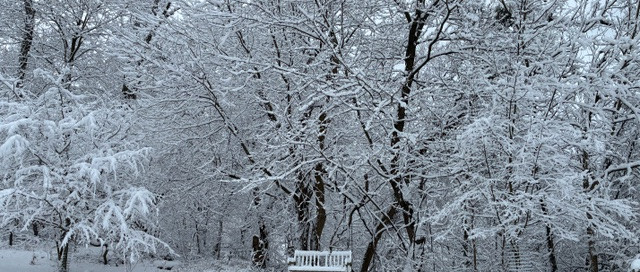
Farmers’ Almanac predicts a cold winter. I predict that the next several months will be key to thwarting authoritarianism in the United States. For me, some of that work will involve protests outside of ICE or other places where Philadelphians are taking strategic nonviolent action. At the last one I attended, my fingers got numb. That’s why I asked for warmer gloves for Christmas. Like many writers this month, I’ve been reflecting on both the year that’s ending and the one ahead. Like many, I grieve the increase in political violence in the United States, which is the kind of cycle that is hard to break once it gets momentum. It’s the thing that scares me most at the moment. For one thing, cyclical violence [...]

Good news in hard times
First time seeing the book It’s hard to believe, but my launch party for Common Ground will happen two weeks from today! It’s been a long road, but the timing is perfect in a way I couldn’t possibly have planned (and wouldn’t have wished for). It turns out that years of visiting communities that were standing up to the powerful fossil fuel industry taught me valuable lessons that can help us stand up to the authoritarian power-grab today. I hope you’ll consider buying the book and telling others about it, which is the best publicity an author can hope for. I'm encouraging people to pre-order from Pendle Hill Bookstore or my publisher (which has a slight discount but I hear you need to [...]

Some of what is happening is positive
Recently, I’ve had several opportunities to help people understand what their options are in the face of the flagrant power grab we are experiencing in the United States. Since I'm getting that question from old friends and people at the coffee shop, I'll share a framework that I find especially helpful right now. At University of San Francisco, I led a two-day training in nonviolent resistance to authoritarianism. After breaking the ice with students and community members, I shared the pillars of power theory, which some of you learned about in my online courses or through Choose Democracy. I explained that any would-be authoritarian needs other people and institutions to go along with their power grab, whether that means enthusiasticallly supporting them or just cowing in [...]

Serenity, Courage, and Maybe Even Wisdom
The New York Times observes that the “resistance” is quieter this inauguration day, foregoing the pink hats and large marches of eight years ago. For some, this may be a sign of acquiescence to the agenda of the second Trump administration. For me and many I know, I sense something less fatalistic—a desire to be more grounded and strategic this time around. Instead of travel to DC, I started today by lighting a candle and reflecting on my favorite version of the Serenity Prayer: God give us grace, to accept with serenity the things that cannot be changed, courage to change the things that should be changed, and the wisdom to distinguish the one from the other. This is a little different from the version that [...]
Grounding & Resources for Calm on Election Day
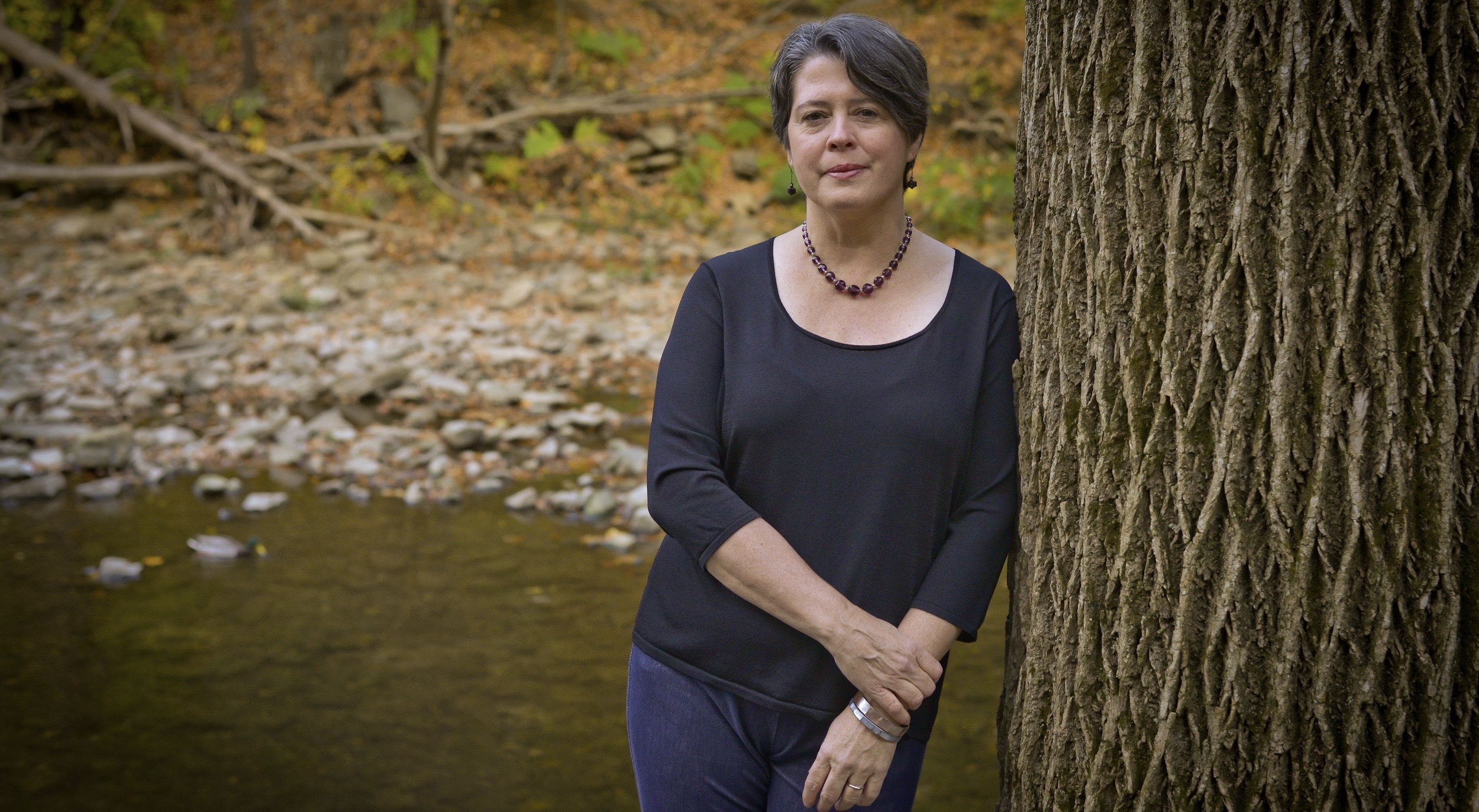
It's not just me, is it? I am a faithful attender of Sunday Quaker worship, but this morning I skipped worship at my meeting and walked in the woods. That’s because I knew that walking alone amid the gorgeous trees in autumn would be grounding, and I feared that hearing other people’s anxieties about the election would not be. Since I am preparing to lead a training on staying calm on election day—even if conflict breaks out at the polls—it felt important to start by grounding myself. An insight came as I walked. This week I said something in a committee meeting that I deeply regretted afterwards, and it’s been keeping me up at night. I saw my own mistake differently after I chose to [...]
Tips for Dealing with Conflict at the Polls
Have a strategy to stay grounded. You probably already know what works for you: taking three deep breaths, looking at a tree, saying a prayer… Whatever helps you stay calm, do it throughout election day, and especially if trouble starts to brew. Know your role. If you're part of a poll watching group: Speak to your team at the beginning of the day about who will 1) move closer to agitators in case any appear; 2) who will video; 3) who will focus on greeting voters and inviting them inside to vote; 4) and who will call for help if needed. If you're not part of a team and just happen to see something, notice if others are stepping into these roles and discern what [...]
Lessons from Water Crises in Philly and Beyond
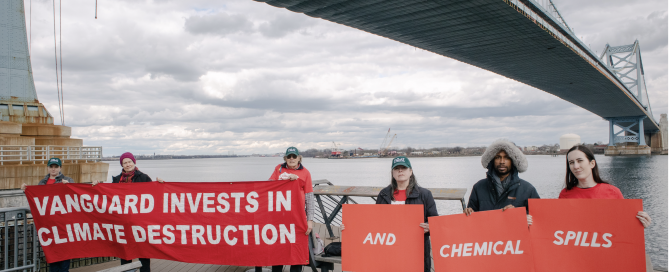
The Delaware River A week ago, the news broke that industrial chemicals had spilled into a tributary of the Delaware River, possibly contaminating Philadelphia’s drinking water. Following the announcement, there was a rush on bottled water, a less publicized rush of people checking on their neighbors, and constantly changing updates from the city, until our water was declared safe to drink a few days later. A few friends and neighbors asked me whether they were paranoid to be skeptical of the city (they're not), which got me thinking about other stories I’ve heard while doing research on environmental justice. Here are some of the national patterns I’ve observed and how they played out in my home town. Delayed announcements The first thing Philadelphians [...]
Home and Heartbroken
Note: This post was written July 26, 2021 and posted here belatedly. Enbridge drill arrives to site next to Red Lake Treaty Camp The Enbridge drill arrived as I was hugging people goodbye at the Red Lake Treaty Camp. After ten days there -- swimming in the beautiful Red Lake River and building community with people determined to protect it -- it was heartbreaking to see the long trucks pull into the worksite next door, knowing that they planned to blast through the Earth to install the Line 3 Pipeline under the river. It was yet another violation of Indigenous treaty rights, which give the people of the Red Lake Nation the right to fish, hunt and perform ceremonies on this land, and to monitor what happens to it. [...]