Imperfect Serenity
I began this blog in 2005 while I was taking care of two young children and my dying mother, so the title, Imperfect Serenity, referred to my struggle to stay spiritually grounded during a difficult time. Eventually the title came to include my experiences in eco-justice activism, anti-racism work, and book publicity.
Lessons from Water Crises in Philly and Beyond
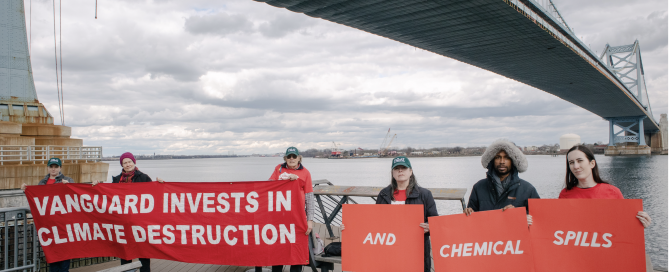
The Delaware River A week ago, the news broke that industrial chemicals had spilled into a tributary of the Delaware River, possibly contaminating Philadelphia’s drinking water. Following the announcement, there was a rush on bottled water, a less publicized rush of people checking on their neighbors, and constantly changing updates from the city, until our water was declared safe to drink a few days later. A few friends and neighbors asked me whether they were paranoid to be skeptical of the city (they're not), which got me thinking about other stories I’ve heard while doing research on environmental justice. Here are some of the national patterns I’ve observed and how they played out in my home town. Delayed announcements The first thing Philadelphians [...]
Home and Heartbroken
Note: This post was written July 26, 2021 and posted here belatedly. Enbridge drill arrives to site next to Red Lake Treaty Camp The Enbridge drill arrived as I was hugging people goodbye at the Red Lake Treaty Camp. After ten days there -- swimming in the beautiful Red Lake River and building community with people determined to protect it -- it was heartbreaking to see the long trucks pull into the worksite next door, knowing that they planned to blast through the Earth to install the Line 3 Pipeline under the river. It was yet another violation of Indigenous treaty rights, which give the people of the Red Lake Nation the right to fish, hunt and perform ceremonies on this land, and to monitor what happens to it. [...]
I Learned So Much on the Frontlines of Line 3
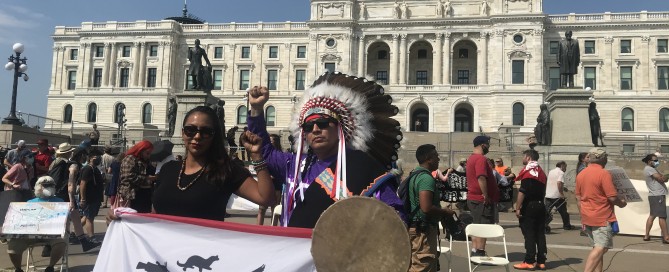
Thanks to everyone who sent prayers or funds for my two recent trips to northern Minnesota. (If you missed the story of why I went, check out this video by Winona LaDuke on Line 3.) I felt very supported and grateful for this community! I'm also grateful to the community that took me in, the Red Lake Treaty camp, founded by Sasha Beaulieu and her partner Roy pictured above at the state capital. In this report, I will share more about what I learned, especially on the spiritual level, but first I want to let you know that I will be leading a Zoom session (hosted by Quaker Earthcare Witness but not just for Quakers) on what we can do to Stop Line 3, even though the pipeline [...]
Where do we go from here? MLK Day 2021
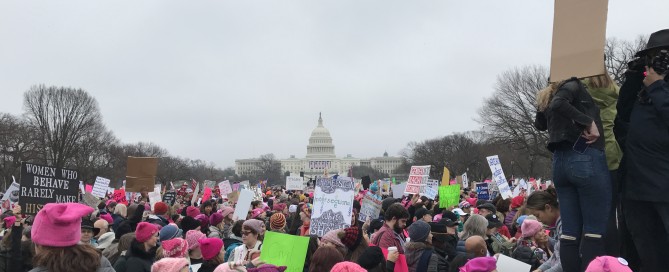
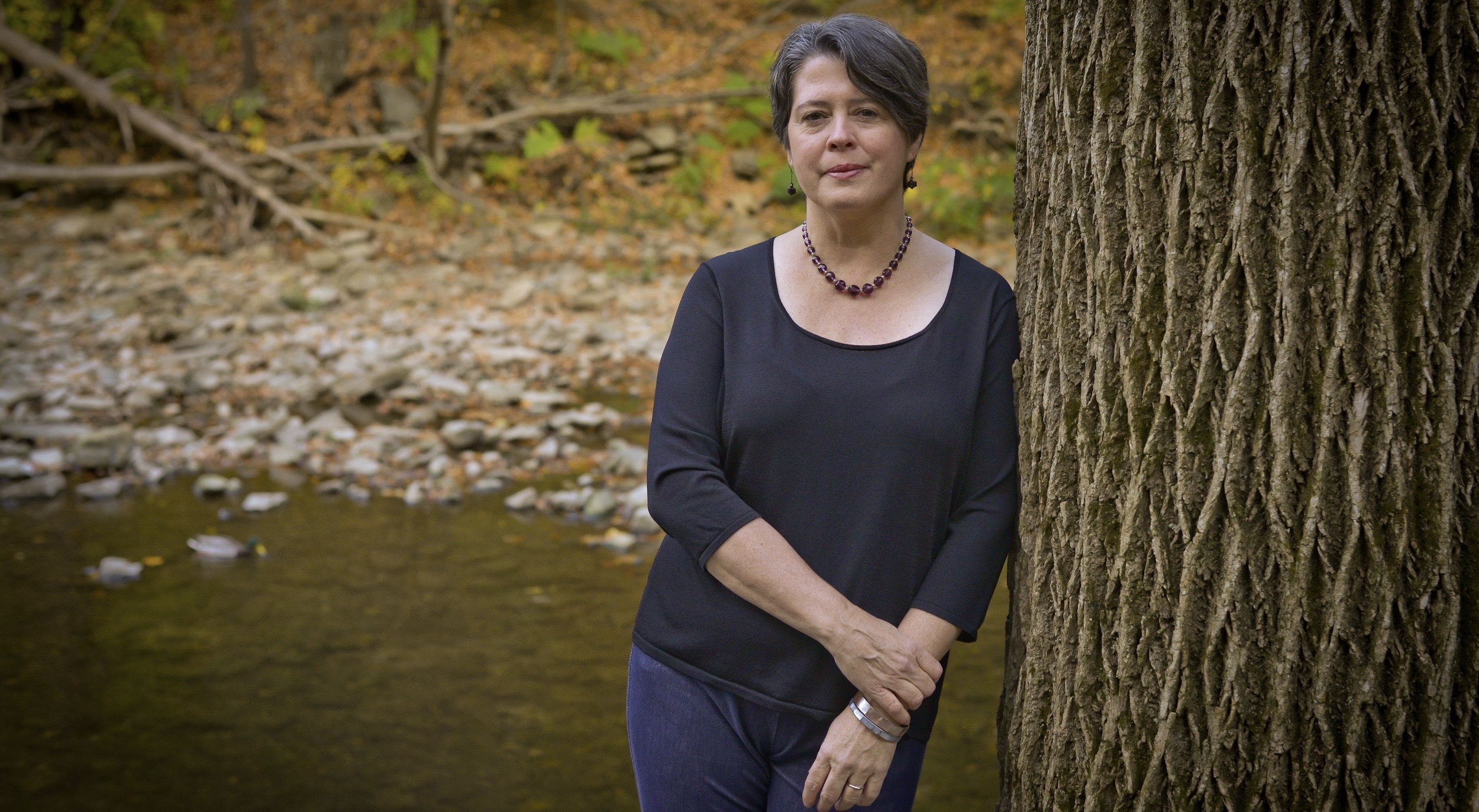
So much has happened since I took this photo four years ago, when I attended the women's march with my daughter and a friend from college. It was the day after Trump's inauguration, and our bodies were packed so tightly we could hardly move. The incredible turnout was a show of strength from those with a more loving vision for the United States, and the mood was mostly joyful, despite the seriousness of our concerns. Afterwards, there was criticism of the pink hats and discussion of how the march could have been more inclusive. What strikes me looking at the photos todays are all the signs calling for inclusivity and how fundamentally different they were from the hateful messages outside the Capital last Wednesday. My side in this national divide may not [...]
What I Learned from Fighting a Coup
Whew! What a month it's been. Those who read my October newsletter know that I became the Trainings Coordinator for Choose Democracy, a start-up effort that in a matter of weeks trained nearly 10,000 people in How to Stop an Election-Related Power Grab. I'm enormously proud of the work this group did and believe that we played an important role in thwarting Donald Trump's plans to steal an election that he didn't win. Today I want to share three major things I learned from this whirlwind experience, both about life and about making change. 1. Anxiety doesn't help us see clearly. There were very good reasons to be afraid of a coup. Obsessively watching the election results and Trump's blustering afterwards were nerve-wracking. But one of the things I appreciated from [...]
On the Bright Side
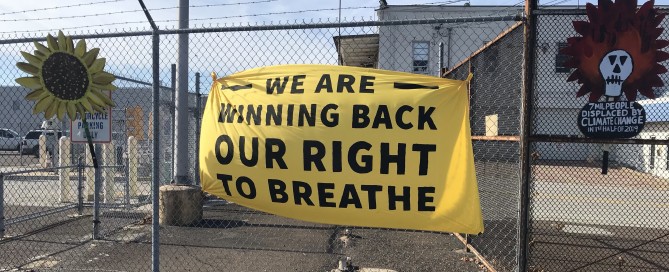
Recent Philly Thrive action The news is infuriating and terrifying. The prospect of a second Trump Administration looms large, and not just for those in the United States. However, the media’s obsession with events that revolve around Trump—the impeachment, the election, and the State of the Union—obscures how people like the rest of us are making a difference every day. So, I’m breaking my long newsletter hiatus to highlight some other things going on in the world, just in case you need a little good news today. First, I’m not discounting the power of the U.S. presidency. As one member of the Intergovernmental Panel on Climate Change told me when I met him in India a few months ago, the Paris Climate Accord [...]
Brave Where You Are
A prop from an EQAT action pressuring PNC For those of you who have been around here awhile, you may have noticed that I skipped the July issue of this newsletter. That wasn’t so much a conscious choice as the result of burying my mind in the book I’m working on, while having five people and several home improvement projects happening in my house this summer. I just looked up, and it’s mid-August. Still, my head hasn't totally been in the sand. I have noticed that there is a lot going on in our world. A lot that is heartbreaking and calls out for a response. A lot that won't be solved with one election. In fact, I have a growing sense that [...]
Navigating Fear in Scary Times
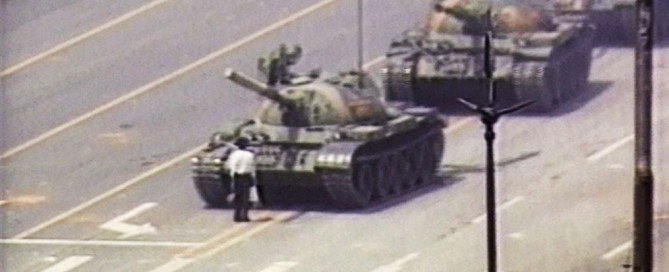
I’ve been thinking a lot about courage, especially the fact that we need more of it these days. I’ve been paying attention to what makes me feel scared and what makes me feel brave, and trying to do more of the later. As I mentioned in my last blog post, community is key for me. So is focusing on the big picture. This morning, there were several news stories that reminded me of the big picture, the long game, if you will. First was the fact that this is the hundredth anniversary of Congress passing the 19th Amendment. Frankly, I’m still annoyed that neither of my children learned in school about the amazingly brave women that won women the right to vote, some through civil disobedience, [...]
Crashing Corporate Meetings as a Path to Self-Knowledge
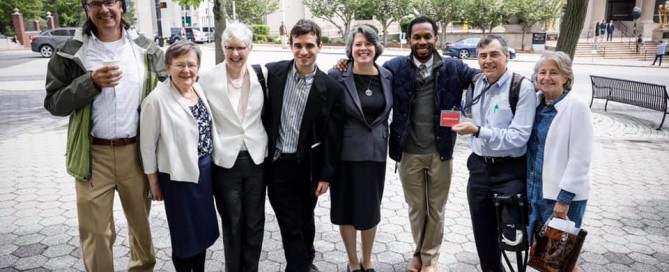
Shareholder team photo by Rachael Warriner Yesterday morning I put on my nicest business dress, a little bit of mascara and joined Earth Quaker Action Team in Wilmington, DE for the annual shareholder meeting of Exelon, the parent company of our electric utility, PECO. We came to disrupt business as usual with the message that PECO is failing to transition to a just and sustainable energy future, and as the responsible parent, Exelon needed to address PECO’s poor performance. My role was action lead, the person who grounded the group at the beginning and decided when to leave the meeting, since getting arrested out of state was not part of the plan. While a larger group outside rallied and sang, seven of us [...]
Strategy & Spirit
“Strategy is so hard,” said a young activist leader I met with recently. She then listed several challenges she thought should be considered when coming up with a campaign strategy, including what her group might be willing to try. It struck me that she was starting with potential limitations instead of where she wanted to go, something I see many activists do. Planning a campaign strategy is like planning a route with a GPS. First, you need to know your destination. To generate a visual aid, I tried typing “victory” into my iPhone, and it suggested three driving routes to the Victory Beer Hall (which I thought was pretty funny). The fastest goes out of my way, but the most direct route is on a [...]