
Imperfect Serenity Blog

I began this blog in 2005 while I was taking care of two young children and my dying mother, so the title, Imperfect Serenity, referred to my struggle to stay spiritually grounded during a difficult time. Eventually this journey came to include my experiences in eco-justice activism, anti-racism work, anti-authoritarianism, and book publicity. My serenity is still imperfect, but I’ve learned a few things over the years. Feel free to comment or share any posts!

What I feel led to teach this fall
In addition to the general nonviolence trainings I've been offering, this fall I'm leading seven trainings specifically for people volunteering at the polls for the mid-term elections. What I'm doing is a little different than many of the trainings larger groups are offering. Mine is less about telling people exactly what to do and more about encouraging them to keep breathing so they can discern what to do in an unpredictable situation. The groups I'm working with are not Quaker, so I'm not actually using the term discernment, but my just-published article in Waging Nonviolence shares what I want to say this month about grounding ourselves, so I'll keep this newsletter brief. Please share the article if you find it helpful. The one thing I'll add for [...]
A story of renewal
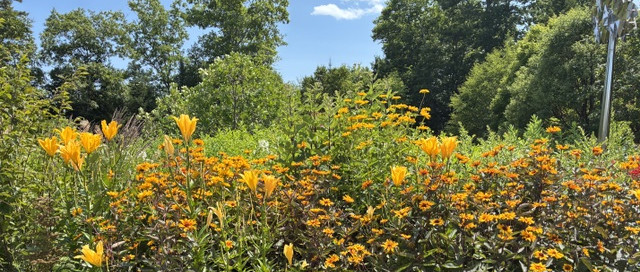
Recently, I spent two rejuvenating days participating in an annual prayer ceremony for the Earth. It was led by Penobscot visionary Sherri Mitchell (Weh’na Ha’mu Kwasset), along with Indigenous people from around the world. I won't quote any of the profound things that people said since I do not have their permission, but I will share some of what I got out of the experience. First, I was moved that hundreds of people gathered, some from as far away as Mongolia and New Zealand. For those who needed to cross national borders, these were challenging times to come to Penobscot territory, in what colonizers called Maine. I was reminded that the names I know for places are not the original names, and that Indigenous [...]

Dialogue and its limits as we approach the 250th anniversary of the United States
On Sunday morning, I attended a prayer service in Philadelphia that included about 200 people from about twenty different spiritual traditions. I wept as I listened to a Bahá’í leader read a prayer for the future of the United States written over a hundred years ago. Her prayer was followed by Buddhist, Catholic, Jewish, Muslim, Evangelical, and other types of prayer, which kept my eyes watering. Before we were invited to shake hands with those around us, we heard the Gospel verse that says that before you make an offering to God, you should reconcile with your neighbor. A Mormon woman from Utah offered me a hug while people from across the United States — and across political camps — greeted each other warmly. The [...]

An encouraging surprise
Last Friday morning, I went down to the Philadelphia ICE office to support the Interfaith Clergy Coalition, which has been organizing weekly vigils there. I found them where I expected, on the sidewalk holding a special prayer vigil for Good Friday. It turned out that another group I support, No ICE Philly, was around the corner a few yards away, holding a civil disobedience action in the ICE driveway. Although both groups have been protesting the abuses of power by ICE, their approaches have been markedly different, as were their plans for Friday morning. As both actions progressed, I was deeply moved to see the ways they eventually converged. To explain what happened and why I found it so beautiful, I have to start with a [...]
Three Things Coaches Need to Understand to Maximize their Impact in These Times
Dear friends who are coaches: I've been thinking about you lately. You are experts at helping people to overcome their fears and find their purpose. That is why you are so essential in this time when many people are afraid about the state of the world, the erosion of democratic norms, and the elevation of hate. Some of the people you work with may be fearful for their own safety or the safety of people they love. Some are anxious because they want to stand up to the forces of authoritarianism but are not sure what to do other than attend marches or call their representatives. You may be feeling that way yourself. If so, here are three things I’ve learned as a former spiritual [...]
Mittens for the Movement
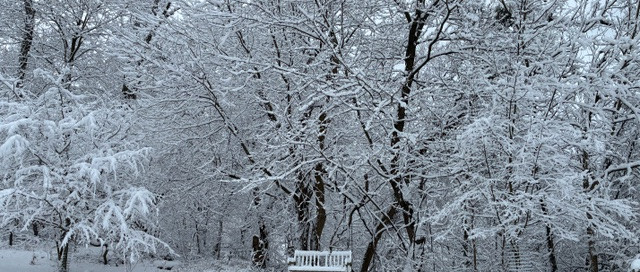
Farmers’ Almanac predicts a cold winter. I predict that the next several months will be key to thwarting authoritarianism in the United States. For me, some of that work will involve protests outside of ICE or other places where Philadelphians are taking strategic nonviolent action. At the last one I attended, my fingers got numb. That’s why I asked for warmer gloves for Christmas. Like many writers this month, I’ve been reflecting on both the year that’s ending and the one ahead. Like many, I grieve the increase in political violence in the United States, which is the kind of cycle that is hard to break once it gets momentum. It’s the thing that scares me most at the moment. For one thing, cyclical violence [...]

Good news in hard times
First time seeing the book It’s hard to believe, but my launch party for Common Ground will happen two weeks from today! It’s been a long road, but the timing is perfect in a way I couldn’t possibly have planned (and wouldn’t have wished for). It turns out that years of visiting communities that were standing up to the powerful fossil fuel industry taught me valuable lessons that can help us stand up to the authoritarian power-grab today. I hope you’ll consider buying the book and telling others about it, which is the best publicity an author can hope for. I'm encouraging people to pre-order from Pendle Hill Bookstore or my publisher (which has a slight discount but I hear you need to [...]

Some of what is happening is positive
Recently, I’ve had several opportunities to help people understand what their options are in the face of the flagrant power grab we are experiencing in the United States. Since I'm getting that question from old friends and people at the coffee shop, I'll share a framework that I find especially helpful right now. At University of San Francisco, I led a two-day training in nonviolent resistance to authoritarianism. After breaking the ice with students and community members, I shared the pillars of power theory, which some of you learned about in my online courses or through Choose Democracy. I explained that any would-be authoritarian needs other people and institutions to go along with their power grab, whether that means enthusiasticallly supporting them or just cowing in [...]

Serenity, Courage, and Maybe Even Wisdom
The New York Times observes that the “resistance” is quieter this inauguration day, foregoing the pink hats and large marches of eight years ago. For some, this may be a sign of acquiescence to the agenda of the second Trump administration. For me and many I know, I sense something less fatalistic—a desire to be more grounded and strategic this time around. Instead of travel to DC, I started today by lighting a candle and reflecting on my favorite version of the Serenity Prayer: God give us grace, to accept with serenity the things that cannot be changed, courage to change the things that should be changed, and the wisdom to distinguish the one from the other. This is a little different from the version that [...]
Grounding & Resources for Calm on Election Day
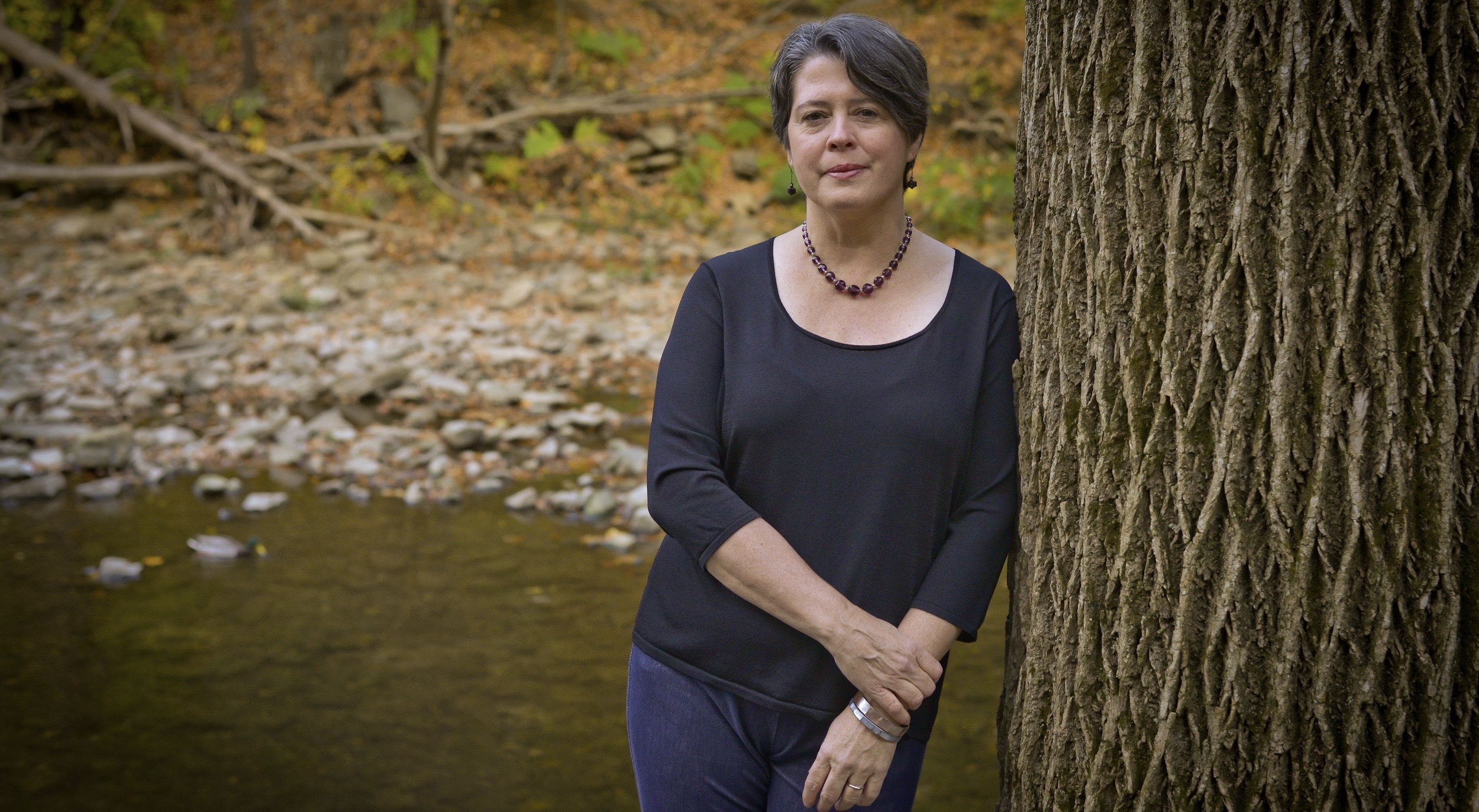
It's not just me, is it? I am a faithful attender of Sunday Quaker worship, but this morning I skipped worship at my meeting and walked in the woods. That’s because I knew that walking alone amid the gorgeous trees in autumn would be grounding, and I feared that hearing other people’s anxieties about the election would not be. Since I am preparing to lead a training on staying calm on election day—even if conflict breaks out at the polls—it felt important to start by grounding myself. An insight came as I walked. This week I said something in a committee meeting that I deeply regretted afterwards, and it’s been keeping me up at night. I saw my own mistake differently after I chose to [...]